

Quick Summary ✅
- Starting a tech blog in India in 2026 is easier and cheaper than ever before.
- You need a niche, a domain, hosting, and consistent content to grow.
- Monetization options like AdSense, affiliate marketing, and sponsorships are very real in the Indian market.
Introduction
How to Start a Tech Blog in India 2026 (Step-by-Step)-Let me be honest with you — I almost didn’t start my tech blog because I thought the space was “too crowded.”
That was a mistake I’m glad I corrected.
If you’re sitting on the fence about how to start a tech blog in India in 2026, here’s the thing: India’s internet user base crossed 900 million in 2024, and it’s still growing. The demand for tech content in English and regional languages has never been higher. Whether you want to write about smartphones, software, cybersecurity, or AI tools, there’s a real audience waiting for you.
This guide will walk you through everything — from choosing your niche to making your first rupee online. Let’s get into it.

How to Start a Tech Blog in India 2026 (Step-by-Step)-Why Start a Tech Blog in India in 2026?
How to Start a Tech Blog in India 2026 (Step-by-Step)-=The timing honestly couldn’t be better. Here’s why:
- India is the second-largest internet market in the world, with hundreds of millions of new users coming online every year.
- English and Hindi tech content is still underserved in many micro-niches.
- Affiliate programs from Amazon India, Flipkart, and international SaaS companies actively recruit Indian bloggers.
- AI writing tools and SEO platforms have made content creation faster — but human expertise still wins long-term.
- Google still rewards quality content, especially blogs that demonstrate real experience (E-E-A-T).
Moreover, with UPI payments and platforms like Razorpay, monetizing your blog as an Indian creator is now seamless. You no longer need a foreign bank account to earn online.
Step 1: Choose the Right Tech Niche
How to Start a Tech Blog in India 2026 (Step-by-Step)-This is the most important decision you’ll make. Don’t skip it.
Picking “tech” as a niche is too broad. You need to go specific. Think about what you genuinely know, what people are searching for, and where there’s money.
- AI tools and automation – ChatGPT, Gemini, productivity software
- Budget smartphones – Reviews under ₹15,000 and ₹20,000 price points
- Cybersecurity for beginners – VPNs, password managers, online safety
- Programming tutorials – Python, JavaScript, app development
- Tech deals and comparisons – Great for affiliate income
- SaaS software reviews – Tools Indian freelancers and SMBs actually use
- Regional language tech content – Hindi, Tamil, Telugu tech blogs are still wide open
Honestly, I think regional language tech blogs are one of the most underrated opportunities in 2026. If you can write confidently in Hindi or Tamil, you’re competing in a much less crowded space.
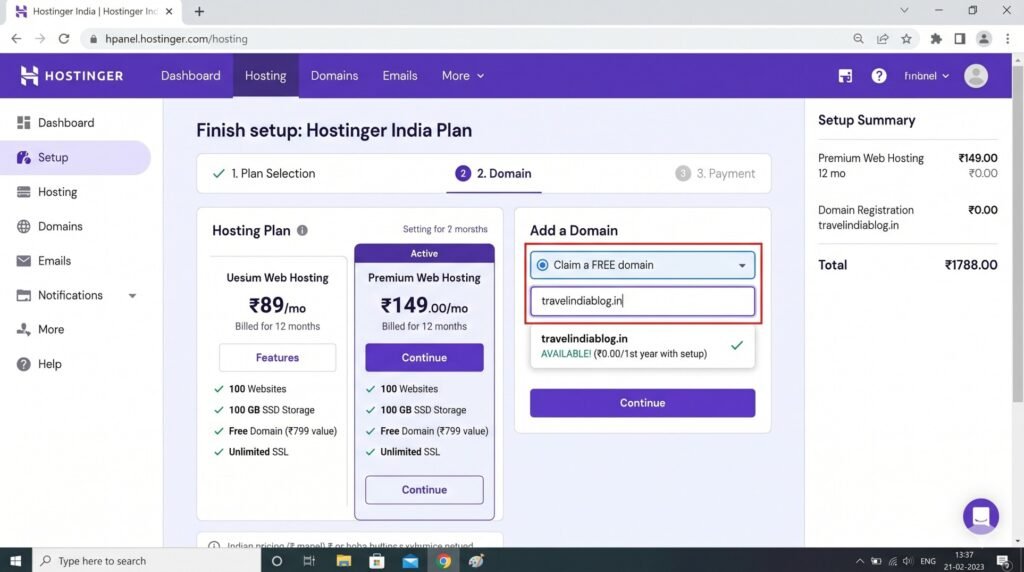
Step 2: Pick a Domain Name and Hosting
How to Start a Tech Blog in India 2026 (Step-by-Step)-Your domain name is your brand. Keep it short, memorable, and ideally .com or .in.
Tips for Choosing a Domain Name
- Keep it under 15 characters if possible
- Avoid hyphens and numbers
- Make it niche-relevant but not too limiting (e.g., “TechWithRohan.com” works better than “BudgetPhoneReviews.com”)
For hosting, Indian bloggers typically start with one of these:
- Hostinger India – Most affordable, good speed for Indian audiences
- Bluehost India – Reliable, beginner-friendly
- SiteGround – Better performance, slightly pricier
- Cloudways – For bloggers who want more control and speed
A basic shared hosting plan costs between ₹99–₹250/month. That’s genuinely all you need to start.
Step 3: Set Up WordPress (The Right Way)
How to Start a Tech Blog in India 2026 (Step-by-Step)-WordPress powers over 40% of all websites on the internet. For a tech blog, it’s still the best choice in 2026.
Installing WordPress
Most hosts offer one-click WordPress installation from the control panel. It takes under 5 minutes. Once installed, do the following immediately:
- Install a lightweight theme — Astra, GeneratePress, or Kadence are excellent free options
- Install essential plugins: Rank Math SEO, WP Rocket or LiteSpeed Cache, WPForms, UpdraftPlus for backups
- Connect Google Analytics 4 and Google Search Console
- Set your permalink structure to
/post-name/(Settings → Permalinks)
Picking a Theme for Your Tech Blog
How to Start a Tech Blog in India 2026 (Step-by-Step)-Go with a fast, minimal theme. Heavy themes kill your page speed — and page speed directly affects your Google rankings. Astra with the free version is what I personally started with, and it still loads in under 2 seconds on mobile.
Step 4: Create Your First 10 Blog Posts
How to Start a Tech Blog in India 2026 (Step-by-Step)-Here’s where most people stall. They overthink it.
Your first 10 posts should cover a mix of:
- Pillar content – Long, comprehensive guides (like this one)
- Comparison posts – “X vs Y” articles convert well for affiliate income
- How-to tutorials – Step-by-step guides for specific problems
- Listicles – “Best 5 tools for…” posts are easy to write and rank for
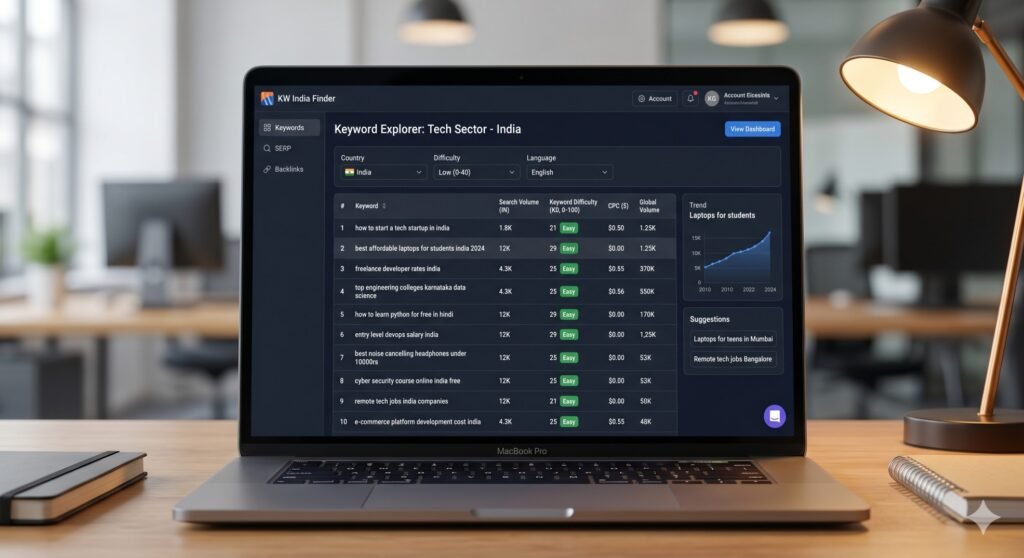
For SEO keyword research, use free tools like Google’s “People Also Ask,” Google Keyword Planner, or Ubersuggest’s free tier. Target keywords with low competition and at least 1,000 monthly searches to start.
How Long Should Your Blog Posts Be?
For competitive tech topics, aim for 1,500–2,500 words per post. But don’t pad content just to hit a word count. Google is smart — filler hurts more than it helps. Write what’s genuinely useful. Answer the full question. That’s it.
Step 5: Master Basic SEO for Your Tech Blog
How to Start a Tech Blog in India 2026 (Step-by-Step)-You don’t need to be an SEO expert. But you do need to understand the basics.
Here’s what actually moves the needle:
- Put your target keyword in the title, first paragraph, one H2, and meta description
- Write a compelling meta description — it improves click-through rate even if it doesn’t directly affect rankings
- Get backlinks — even 5–10 quality links from other blogs or forums dramatically improve rankings
- Optimize images — compress them and add descriptive alt text
- Link internally — connect related posts together; Google loves this
- Use short, clean URLs —
yourblog.com/best-budget-phones-indiabeatsyourblog.com/?p=123
Rank Math will guide you through on-page SEO automatically as you write. It’s free and it’s brilliant.
Step 6: Promote Your Tech Blog in India
How to Start a Tech Blog in India 2026 (Step-by-Step)-Publishing great content isn’t enough. You need to put it in front of people.
Here are the most effective free promotion channels for Indian tech bloggers:
- Quora – Answer tech questions and link back to relevant posts
- Reddit India – Share in r/india, r/learnprogramming, and niche subreddits
- LinkedIn – Works surprisingly well for tutorials and career-related tech posts
- Telegram channels – Create your own or share in existing tech groups
- Twitter/X – Build relationships with other Indian tech creators
- YouTube Shorts – Repurpose blog posts into short videos and drive traffic back
Consistency matters more than cleverness in promotion. Show up every week. Engage genuinely. It compounds over time.
Step 7: Monetize Your Tech Blog in India
How to Start a Tech Blog in India 2026 (Step-by-Step)-This is the part everyone’s excited about — and rightfully so.
1. Google AdSense / Ezoic / Mediavine Display ads are the most passive income stream. With 10,000+ monthly visitors, Indian tech blogs typically earn ₹5,000–₹50,000/month from ads alone.
2. Affiliate Marketing
- Amazon Associates India – Review gadgets and earn up to 8% commission
- Flipkart Affiliate – Works great for smartphone and laptop reviews
- SaaS Affiliate Programs – Hostinger, SEMrush, and Canva pay recurring commissions
3. Sponsored Posts Indian and international tech brands actively sponsor niche bloggers. Once you hit 5,000+ monthly readers, start approaching brands directly.
4. Digital Products A well-placed ₹499 e-book — say, “How to Set Up a Home Lab for Cybersecurity” — can sell very well to an engaged audience.
5. Freelance Writing Your blog becomes your portfolio. Many Indian tech bloggers earn ₹2–5 per word writing for international publications while building their own site.
FAQ: How to Start a Tech Blog in India 2026
Q1. How much does it cost to start a tech blog in India? You can start for as little as ₹2,000–₹5,000/year — covering domain registration and basic shared hosting. WordPress itself is free.
Q2. Do I need to know coding to start a tech blog? No. WordPress is beginner-friendly and requires zero coding knowledge. Basic HTML is helpful but not necessary at all.
Q3. How long does it take to make money from a tech blog in India? Realistically, expect 6–12 months before consistent earnings. Some bloggers see AdSense approval in 3–4 months. Affiliate income can come sooner if you target buying-intent keywords.
Q4. Can I write a tech blog in Hindi or other regional languages? Absolutely — and you should seriously consider it. Hindi tech blogs have far less competition and a massive, growing audience. Google AdSense fully supports Hindi content.
Q5. Is blogging still worth it in India in 2026? Yes. Despite YouTube and social media, written content dominates search engines. People searching “best phone under ₹15,000” want a blog post, not a video. Blogging is alive — just more competitive.
Conclusion
Starting a tech blog in India in 2026 is one of the smartest digital investments you can make — and it doesn’t take a massive budget or a computer science degree.
To recap: choose a specific tech niche, set up WordPress with a fast theme, write genuinely helpful content, apply basic SEO, and promote consistently. Monetization follows traffic, and traffic follows value.
It won’t be instant or effortless. Building a blog takes patience. But the compounding effect of a well-ranked article bringing 500 visitors a day — month after month — is genuinely worth every hour you put in.
Ready to start your tech blog in India? Drop your niche idea in the comments — I’d love to hear what you’re planning to write about. And if this guide helped you, share it with someone who’s been thinking about starting their own blog. 🚀