Table of Contents
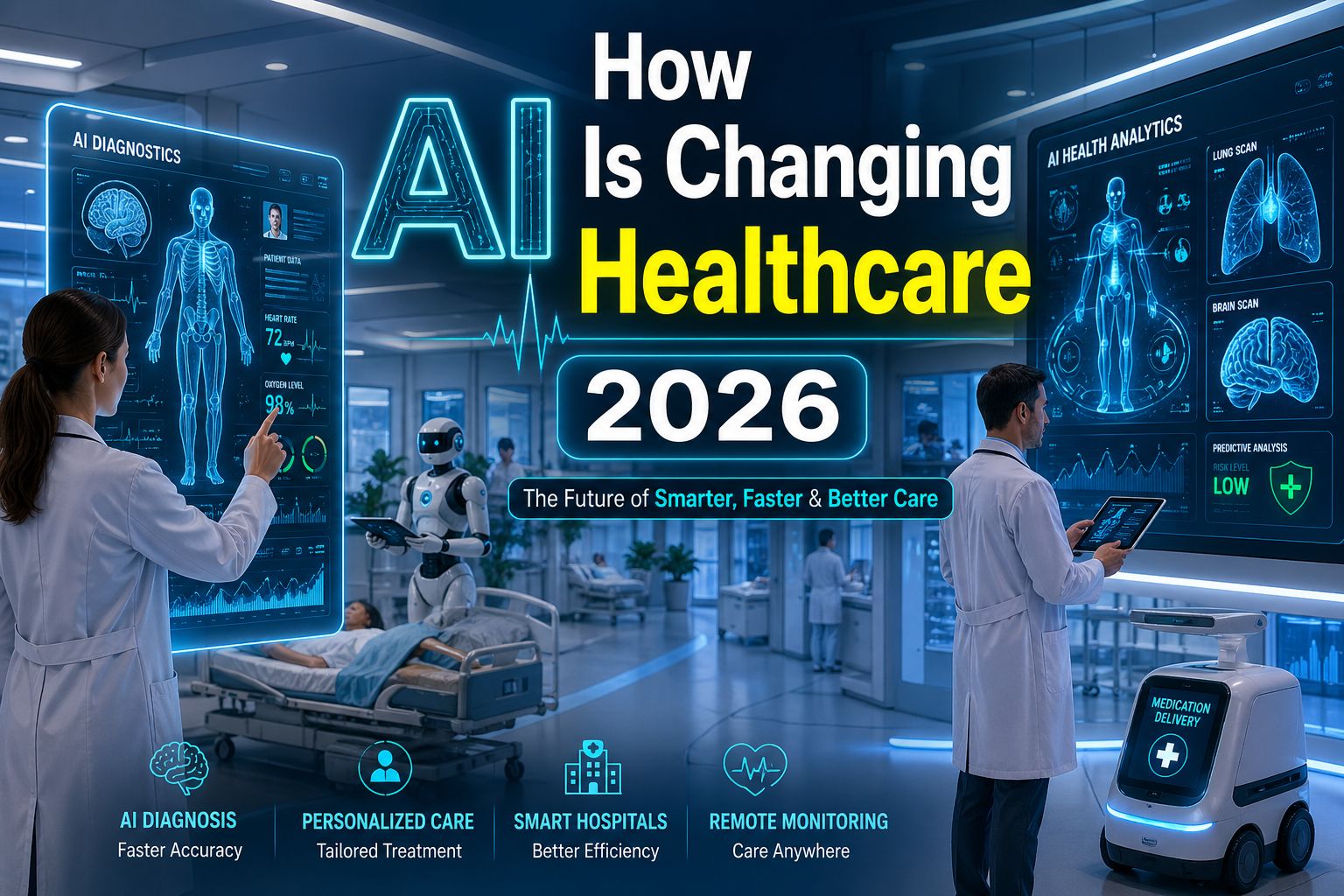
Artificial Intelligence isn’t just a buzzword anymore—it’s transforming healthcare right in front of us. From faster diagnoses to smarter hospitals, how AI is changing healthcare 2026 is something every patient and professional should understand.In this guide, we’ll break down how AI is changing healthcare 2026 with real-world examples, benefits, and future trends.
In my experience writing about healthcare technology, I’ve never seen such rapid change. Honestly, it feels like we’ve jumped 10 years ahead in just a few.When we talk about how AI is changing healthcare 2026, we’re looking at a major shift in how doctors diagnose, treat, and manage diseases.
AI is not just a tool—it’s becoming a core part of modern healthcare systems.
🔍 Quick Summary
- AI helps doctors diagnose diseases faster and more accurately
- Hospitals use AI to improve patient care and reduce costs
- However, privacy and ethical concerns still need attention
Introduction
Imagine walking into a hospital where your diagnosis happens in minutes, not days. Sounds futuristic, right? Well, in 2026, that’s becoming reality.
How AI is changing healthcare 2026 is not just about robots—it’s about smarter decisions, better outcomes, and saving lives. From rural clinics to advanced hospitals, AI is reshaping how care is delivered.
Let’s break it down in a simple, real-world way.
1. AI in Drug Discovery and Healthcare Innovation 2026
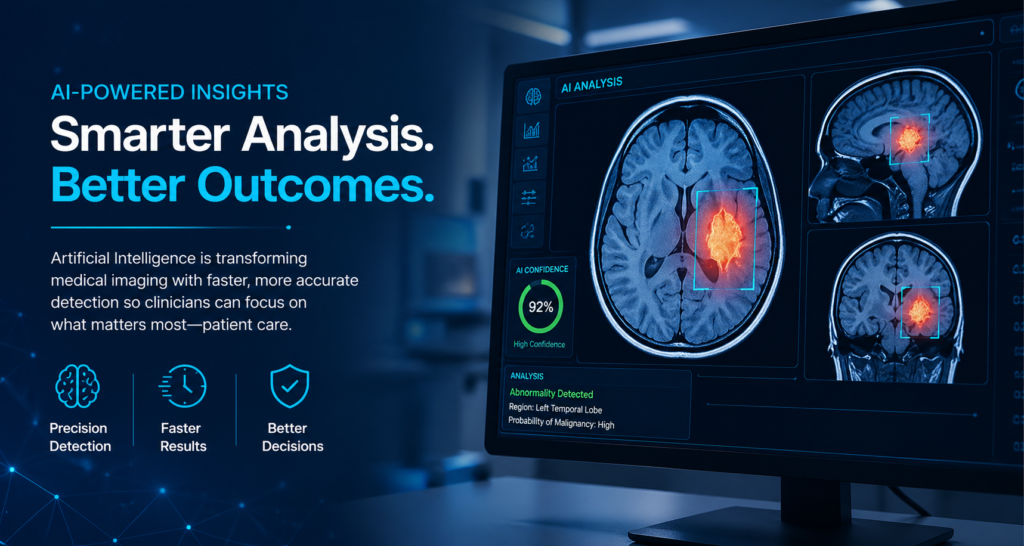
One of the biggest impacts of AI is in diagnosing diseases.
How it works
AI systems analyze medical data like:
- X-rays
- MRI scans
- Blood reports
They can detect patterns that even experienced doctors might miss.
Real-world impact
According to research from Harvard Medical School, AI can match or even outperform doctors in detecting certain cancers.
Example
- Early detection of breast cancer
- Identifying lung diseases from scans
Why it matters
- Faster diagnosis = quicker treatment
- Reduced human error
- Better patient outcomes
2. Personalized Treatment Plans
Healthcare is no longer “one-size-fits-all.”
AI helps create custom treatment plans based on:
- Genetics
- Lifestyle
- Medical history
Benefits of personalized care
- More effective treatments
- Fewer side effects
- Better recovery rates
My take
Honestly, this is where AI shines the most. I’ve seen cases where patients respond better simply because treatment is tailored to them.
3. AI in Drug Discovery and Development
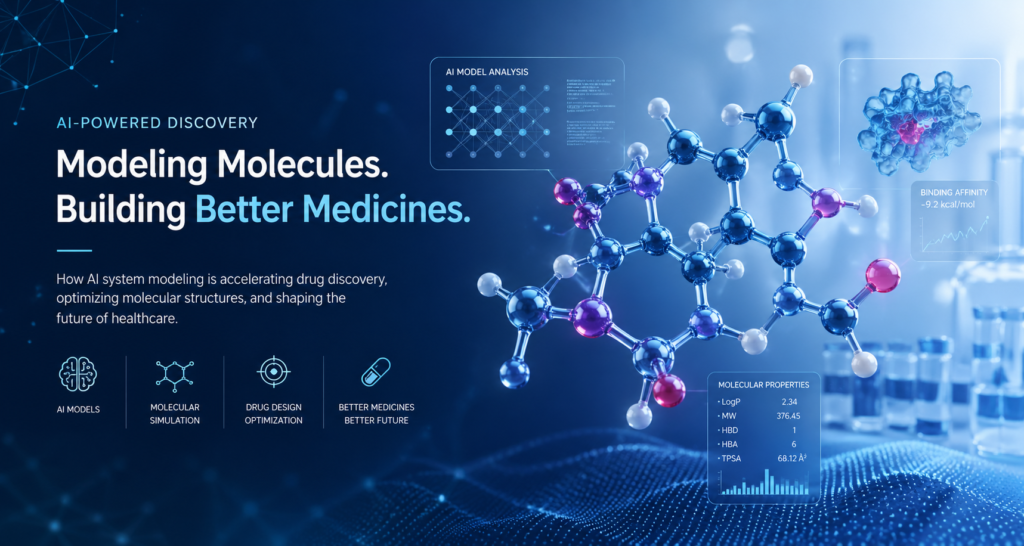
Developing a new drug used to take 10–15 years. Now? AI is cutting that time drastically.
How AI helps
- Predicts how drugs will react in the body
- Identifies potential compounds faster
- Reduces trial-and-error
Impact in 2026
- Faster vaccines
- Cheaper drug development
- Improved success rates
Example
During recent global health crises, AI helped speed up vaccine research significantly.
4. Smart Hospitals and Automation
Hospitals are becoming smarter with AI-driven systems.
What’s changing?
- Automated patient scheduling
- AI chatbots for basic queries
- Smart monitoring systems
Key advantages
- Reduced waiting time
- Better resource management
- Less workload for staff
Real-life example
Some hospitals now use AI to predict patient admission rates. This helps them prepare beds and staff in advance.
Fun fact
In some hospitals, robots even deliver medicines. Yes, it sounds like sci-fi—but it’s real.
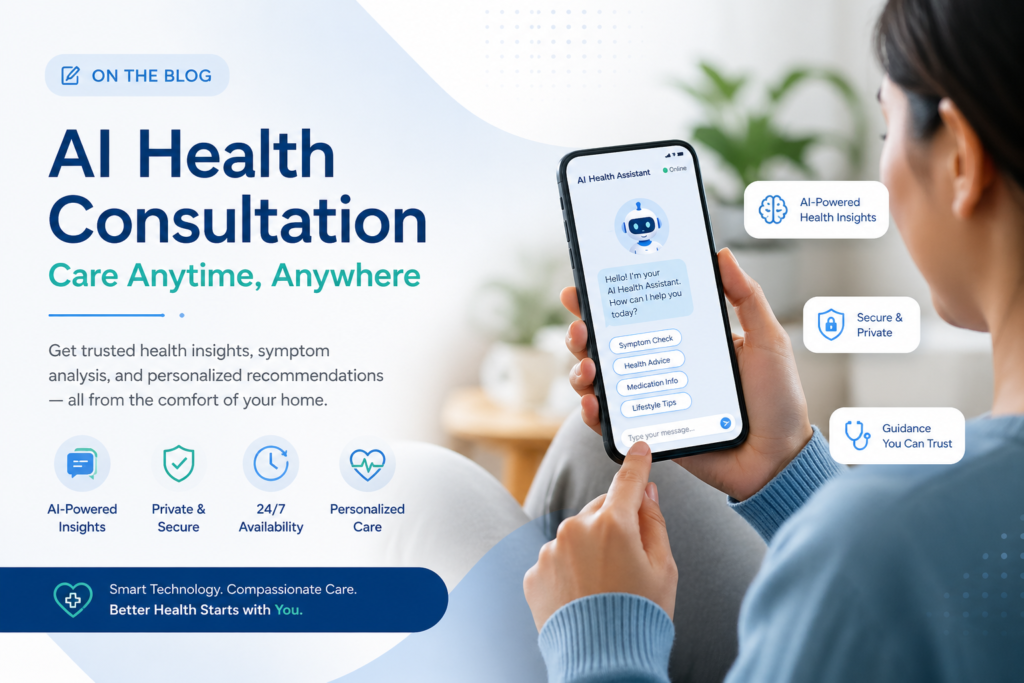
5. Remote Healthcare and AI Assistants
Telemedicine exploded in recent years, and AI is taking it further.
How AI improves remote care
- Virtual health assistants
- Symptom checkers
- Real-time monitoring via wearables
Benefits
- Access to healthcare in rural areas
- Reduced hospital visits
- Continuous patient monitoring
Example tools
- AI-powered apps that track heart rate
- Smartwatches detecting irregular heartbeat
6. Predictive Analytics: Preventing Diseases Early
Prevention is better than cure—and AI makes it possible.
What is predictive analytics?
AI analyzes large datasets to predict:
- Disease risks
- Patient deterioration
- Outbreak patterns
How it helps
- Early intervention
- Reduced hospital admissions
- Better long-term health
Example
AI can predict diabetes risk years before symptoms appear.
Expert insight
According to the World Health Organization, early detection can reduce disease impact significantly—and AI plays a major role here.
7. Challenges and Ethical Concerns
While AI is powerful, it’s not perfect.
Key concerns
1. Data Privacy
Healthcare data is sensitive. Misuse can lead to serious issues.
2. Bias in AI
If AI is trained on limited data, it may produce biased results.
3. Dependence on Technology
Over-reliance on AI could reduce human judgment.
My honest opinion
AI should support doctors—not replace them. The human touch in healthcare still matters a lot.
Key Benefits of AI in Healthcare
Let’s quickly recap the advantages:
- ✔ Faster and more accurate diagnoses
- ✔ Personalized treatment plans
- ✔ Reduced healthcare costs
- ✔ Improved patient outcomes
- ✔ Better hospital efficiency
Limitations You Should Know
- ❌ High implementation costs
- ❌ Data security risks
- ❌ Need for skilled professionals
- ❌ Ethical concerns
Future Trends: What’s Next Beyond 2026?
AI in healthcare is still evolving.
Upcoming trends
- AI-powered robotic surgeries
- Real-time disease prediction systems
- Advanced mental health AI tools
In my view
The next big leap will be AI + human collaboration. Not competition.
FAQ: How AI Is Changing Healthcare 2026
1. How is AI used in healthcare today?
AI is used for diagnosis, treatment planning, drug discovery, and hospital management.
2. Can AI replace doctors?
No. AI supports doctors but cannot replace human expertise and empathy.
3. Is AI in healthcare safe?
Generally yes, but it depends on data security and proper implementation.
4. What are the biggest benefits of AI in healthcare?
Faster diagnosis, personalized care, and improved patient outcomes.
5. What are the risks of AI in healthcare?
Data privacy issues, bias in algorithms, and over-dependence on technology.
Conclusion
So, how AI is changing healthcare 2026 comes down to one thing—better care, faster decisions, and smarter systems.
We’re entering an era where technology and medicine work hand in hand. That said, balance is key. AI should enhance healthcare, not replace the human connection that makes it truly effective.
If you ask me, this is just the beginning—and the next few years will be even more exciting.
👉 What do you think about AI in healthcare? Drop your thoughts in the comments, share this article, and stay updated for more insights like this!