

Is Cyber Security a Good Career? The Honest Truth for 2026
If you’ve ever felt like your data is under constant attack, you aren’t alone. In my experience writing about tech trends for over a decade, I’ve seen industries rise and fall, but one field just keeps getting bigger: cyber security.
But is it actually a “good” career for you? It’s one thing to see high salary numbers on a job board; it’s another to sit in the chair and handle a live ransomware attack at 3 AM. Honestly, I think it’s one of the most rewarding paths available today, but it’s definitely not for the faint of heart.
Key Takeaways:
- High Demand: Global job openings in cyber security remain in the millions, offering incredible job security.
- Strong Salaries: Entry-level roles often start higher than other tech fields, with six-figure potential within a few years.
- Constant Learning: You’ll never be bored, but you must be willing to study for new certifications throughout your career.
What Does a Cyber Security Professional Actually Do?
is cyber security a good career-Before we dive into the perks, let’s talk about the daily grind. Many people think it’s all about “hacking back” like you see in the movies. In reality, a cyber security career involves a lot of monitoring, documentation, and strategy.
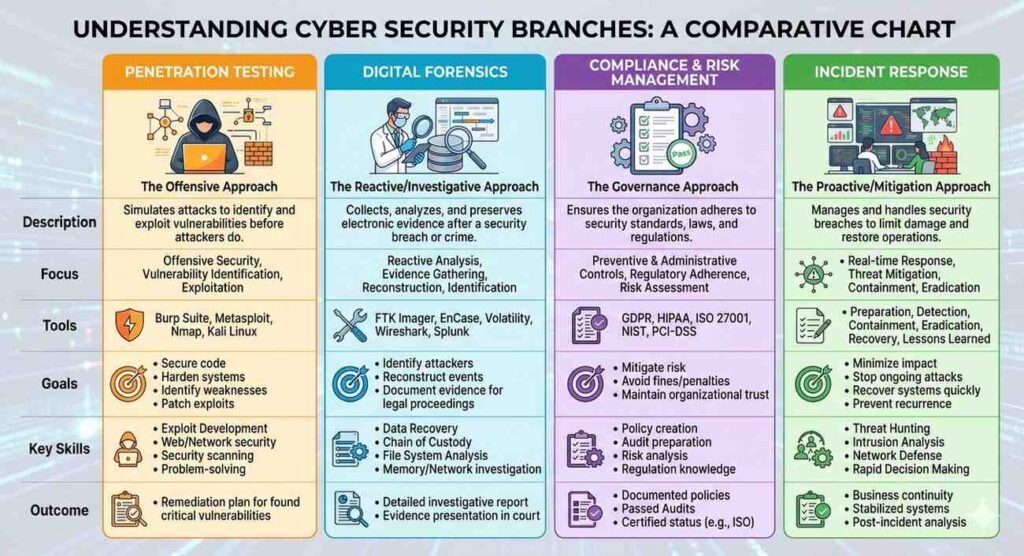
You might spend your morning checking logs for unusual activity and your afternoon configuring firewalls. If you’re on the “Red Team” (the offensive side), you’re trying to find holes in a system before the bad guys do. If you’re “Blue Team” (defensive), you’re the digital bodyguard making sure those holes stay plugged.
I once spoke with a SOC (Security Operations Center) analyst who described his job as “90% calm observation and 10% pure adrenaline.” When things go wrong, they go wrong fast. Therefore, being able to stay cool under pressure is a non-negotiable skill in this field.
Is Cyber Security a Good Career? Let’s Look at the Data
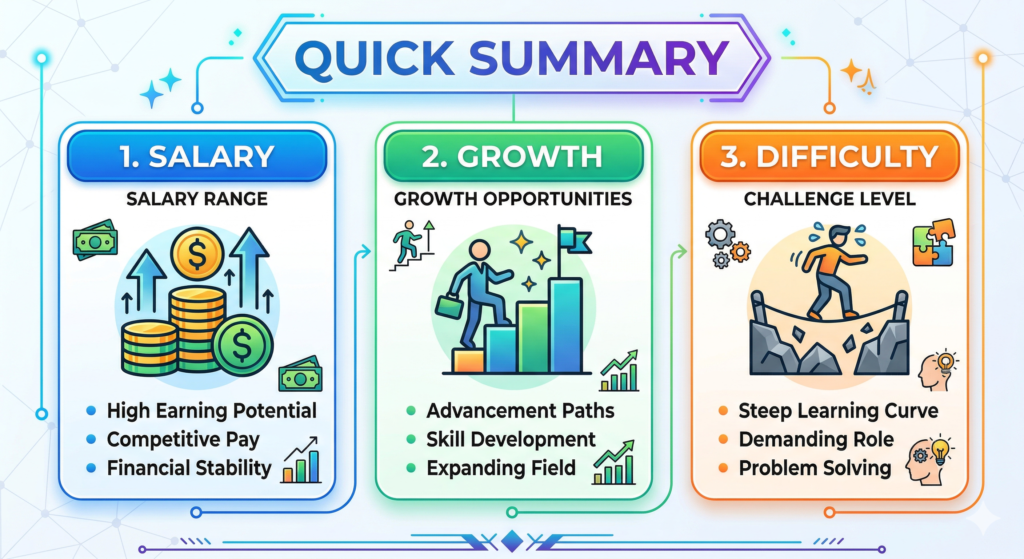
If we look at the hard facts, the answer is a resounding yes. According to the Bureau of Labor Statistics (BLS), employment for information security analysts is projected to grow by 33% through 2033, which is much faster than the average for all occupations.
1. Job Stability and Growth
We live in a world where everything—from our refrigerators to our medical records—is connected to the internet. As a result, companies can no longer treat security as an “optional” expense. They need experts to protect their reputation and their bottom line. Even during economic downturns, cyber security budgets are often the last to be cut.
2. High Earning Potential
Let’s talk money. Money isn’t everything, but it’s a huge factor when choosing a career. In 2024 and 2025, the median pay for security professionals hovered around $112,000 to $125,000 per year.
- Entry-Level: $70,000 – $90,000
- Mid-Level: $100,000 – $150,000
- Senior/CISO: $200,000+
Moreover, many companies offer remote work options, which saves you thousands in commuting costs and gives you back your time.
The “Pros” of Choosing This Pathis cyber security a good career
Beyond the paycheck, there are several reasons why I frequently recommend this field to tech-savvy friends.
- The Hero Factor: There is a genuine sense of fulfillment in knowing you’re protecting people’s privacy and safety. Whether it’s preventing a hospital’s systems from being locked or stopping identity theft, your work matters.
- Variety of Specializations: You aren’t stuck in one box. You can specialize in cloud security, digital forensics, ethical hacking, or even policy and compliance.
- Low Barrier to Entry (Sometimes): While a degree is great, many people break into the field through certifications like CompTIA Security+ or CISSP and hands-on experience in labs.
The “Cons”: What Nobody Tells You
I promised to be honest, and here is the reality check. Is cyber security a good career if you want a 9-to-5 job where you can completely “switch off” the moment you leave the office? Maybe not.
1. The Threat of Burnout
Cyber criminals don’t take holidays. If a major vulnerability is discovered on a Friday afternoon, you might be working through the weekend. The “always-on” nature of the job leads to high stress levels for some.
2. The Learning Never Stops
In most jobs, you learn the ropes and you’re good for a few years. In security, the tools you use today might be obsolete in 18 months. You have to be a lifelong learner. If the thought of studying for a new certification every two years sounds exhausting, this might not be your “forever” home.
3. High Stakes
If you make a mistake in graphic design, a logo looks weird. If you make a mistake in cyber security, a company might lose millions of dollars or sensitive customer data. That weight of responsibility is something you’ll feel every day.
How to Get Started: A Practical Roadmap-is cyber security a good career
If you’re still reading, the “cons” probably didn’t scare you off. That’s a good sign! Here is a simple 3-step plan I’ve seen work for dozens of successful professionals.
Step 1: Master the Basics
Don’t jump straight into hacking. You need to understand how computers talk to each other first. Learn networking (TCP/IP), Linux, and basic Python scripting. You can’t protect a network if you don’t know how a router works.
Step 2: Get Certified
Certifications are the “currency” of the HR world in this industry.
- For Beginners: CompTIA Security+ or Google Cybersecurity Professional Certificate.
- For Intermediate: CEH (Certified Ethical Hacker) or CySA+.
- For Pros: CISSP (Certified Information Systems Security Professional).
Step 3: Build a Home Lab
I can’t stress this enough: Experience beats theory. Download VirtualBox, set up some intentionally vulnerable machines (like those from OWASP), and practice. When you go into an interview, being able to say “I built a virtual network and defended it against a brute-force attack” is much more impressive than just showing a certificate.
Comparing Cyber Security to General IT-is cyber security a good career?
A common question is whether you should just stay in general IT or software development. While developers build things, security pros ensure those things stay safe.
| Feature | General IT | Cyber Security |
| Focus | Functionality & Support | Protection & Risk |
| Salary | Competitive | Generally Higher |
| Stress Level | Moderate | High (During Incidents) |
| Growth | Steady | Explosive |
In my view, cyber security offers a more “recession-proof” shield because while a company might stop building new apps, they can never stop defending their existing ones.
FAQ: Your Questions Answered
1. Do I need a computer science degree for a cyber security career?
Not necessarily. While a degree helps, many employers prioritize certifications and hands-on experience. I’ve met brilliant security analysts who started in retail or the military and transitioned through self-study.
2. Is it hard to learn cyber security?
It has a steep learning curve. You need to understand hardware, software, and human psychology (for social engineering). However, if you’re naturally curious and enjoy solving puzzles, it feels less like “studying” and more like exploring.
3. Is AI going to replace cyber security jobs?
AI will change the job, but it won’t replace it. AI can monitor logs faster than humans, but we still need humans to make ethical decisions, investigate complex breaches, and manage strategy. In fact, AI is creating new security risks that we need people to solve.
4. What is the best entry-level job?
Most people start as a Junior SOC Analyst or in Technical Support. These roles give you a front-row seat to how attacks look in the real world.
5. Can I work from home in cyber security?
Yes! A huge portion of security work can be done remotely. As long as you have a secure internet connection and a powerful laptop, you can defend a global network from your living room.
The Final Verdict: Is It Right For You?
So, is cyber security a good career? For the right person, it’s arguably the best career in the modern economy. It offers a rare combination of high pay, meaningful work, and the kind of job security that’s hard to find in 2026.
However, you have to be okay with the “cat and mouse” game. You have to enjoy the hunt. If you love technology and the idea of being a digital guardian excites you, then I highly encourage you to take the first step.
The world needs more “white hats.” Are you ready to join the fight?
What’s holding you back from starting your cyber security journey? Let me know in the comments below—I’d love to help you figure out your next move!